
Arthouse University
A guide to the Arthouse lifestyle, creative philosophy, and cultural mindset behind VRTY.
Written by Kylan Stephon Hayes
Arthouse University Campaign
What is the Arthouse Lifestyle?
The Arthouse lifestyle is a creative philosophy based on observation, intellect, and cultural independence. The lifestyle is based on a simple premise: Creativity begins the moment you stop performing.
Modern creativity pressures artists, designers, and brands to pursue constant visibility and virality. Social media platforms don’t reward depth, but frequent output, engagement, and trend-based content. Today, many artists feel forced to perform their creativity rather than embody it.
The arthouse mindset offers an alternative strategy. Rather than reacting to trends, arthouse creatives prioritize the study and observation of culture before participation. Creativity becomes a form of interpretation and intellectual exploration rather than trend-based output.
Fashion becomes a medium for communicating ideas (semiotics).
Media becomes a tool for narrative exploration.
Design becomes a process of shaping new aesthetic languages.
The arthouse lifestyle encourages artists to develop independent taste, critical thinking, and intentional direction. Creativity begins the moment you stop performing and start decoding.
Why do Arthouse creatives reject trends?
Arthouse creatives maintain distance from trends because trends prioritize speed and convenience rather than depth or originality - a cycle that leads to burnout. Most trend systems operate through rapid adoption and repetition, quickly saturating media and commerciality after viral hits.The arthouse approach to creativity is different.
Arthouse creatives don’t copy trends, they study the underlying cultural dynamics that produce them. They examine artistic movements, historical references, and social psychology to understand how and why certain themes are trending at certain times. This perspective allows them to develop long-term creative identity rather than short-term relevance. This also prevents creative burnout by allowing artists to prioritize depth and meaning.
History clearly shows that mainstream media frequently originated in experimental creative communities. Punk, hip-hop, and other subcultures quickly became dominant. Avant-garde fashion designers, independent filmmakers, and conceptual artists introduce ideas that influence broader industries. Arthouse serves as the research and development lab for creative culture.
For this reason, arthouse creativity does not compete with mainstream culture - It shapes what it will become.
Arthouse University Campaign
What is Arthouse Fashion?
Arthouse fashion refers to clothing designed as a form of intellectual and cultural expression. It refers to semiotic and narrative-infused garments that serve an intellectual purpose alongside commerciality.
While mainstream fashion revolves around season cycles and mass production, arthouse fashion treats clothing as concept art. Designers working within this subculture explore methods such as:
experimental silhouette design
unconventional materials and construction methods
symbolic imagery
narrative-driven expression
limited production
Arthouse garments communicate ideas about identity, aesthetics, and social structures. Clothing serves a deeper purpose than consumerism. It becomes a medium for intellectual discourse and expression.
It does not simply respond to trends, but contributes to the development of new aesthetics in fashion. Studios such as VRTY Arthouse® operate within this subculture by combining conceptual fashion design with cinematic media production and cultural research.
The 5 Principles of the Arthouse Lifestyle
Five core principles consistently guide the philosophy behind the arthouse lifestyle:
Observation precedes art: Study and observe cultural shifts before participating in them.
Taste over trend: Develop personal aesthetic style over time rather than copying what is currently popular.
Cultural literacy: Study and understand art history, design movements, philosophy, and culture
Creative independence: Build ideas from an internal taste and perspective rather than relying on mass approval.
Intentional aesthetics: Every visual decision is by design, communicating purpose and meaning.
In cohesion, these lifestyle principles support a creative process focused on depth, authenticity, and long-term cultural influence.
How to Develop an Arthouse Mindset
Living an arthouse lifestyle requires a mental shift from reactive productivity to intentional observation.
Study art history, philosophy, and design movements.
Understanding how the zeitgeist evolves over time helps artists recognize patterns in culture.Observe before reacting.
Rather than immediately participating in trends, analyze the social currents beneath them. Ask what social factors shape current themes and why they resonate.Develop taste through experimentation.
Creative identity emerges over time, not instantaneously. Exploration, critique, and refinement are natural phases in the creative process.Create work that communicates ideas.
Fashion, media, and creativity are not about mere aesthetics, but the narratives that beauty embodies.
Over time, creativity becomes less about visibility and more about research, interpretation, and expression. This is crucial in an era of short-form content and algorithmic-based viewership.
Arthouse University Campaign
Why is Arthouse important in modern creative culture?
Arthouse creativity is increasingly playing an essential role in the evolution of culture.
Mainstream creative industries are structured around speed, scale, and familiarity. Social media rewards rapid production cycles where visual trends appear and disappear quickly. This is leading to creative saturation and repetition.
Arthouse environments serve an antithetical function. They operate as mediums for experimentation and research. Within these environments, creatives explore new ideas and techniques without the immediate pressure of mass adoption.
Over time, many of these experimental ideas influence the broader industry. In this sense, arthouse culture functions as the research and development lab of the creative industry, expanding the boundaries of culture and taste.
What does an Arthouse Creative Studio do?
An arthouse creative studio operates differently from traditional creative agencies. Conventional agencies prioritize rapid campaign production and trend-based branding while arthouse studios approach creative work as a conceptual development process. This may include:
creative direction and brand identity development
editorial photography and cinematic media production
conceptual fashion design and storytelling
visual strategy and aesthetic research
cultural positioning for brands and founders
Rather than the mere production of visual content, arthouse studios help organizations develop distinct aesthetic branding for long-term creative identity.
Arthouse Creativity in the American Southeast
Many creative institutions and fashion houses are historically formed in cities such as Paris, London, and New York. Despite this, new creative communities are emerging across the United States.
The American Southeast, including regions like Upstate South Carolina, is seeing increasing growth in independent creative studios, cultural spaces, and founder-led brands. It is currently the fastest growing region in the United States, with cultural development expected to follow.
Studios such as VRTY Arthouse®, based in the Upstate South Carolina region, reflect this shift. Through the merging of fashion design, cinematic media production, and creative direction, these studios contribute to the development of new cultural ecosystems outside of the traditional industry centers.
Future creative movements may emerge within unexpected geographic regions, reshaping how cultural influence develops.
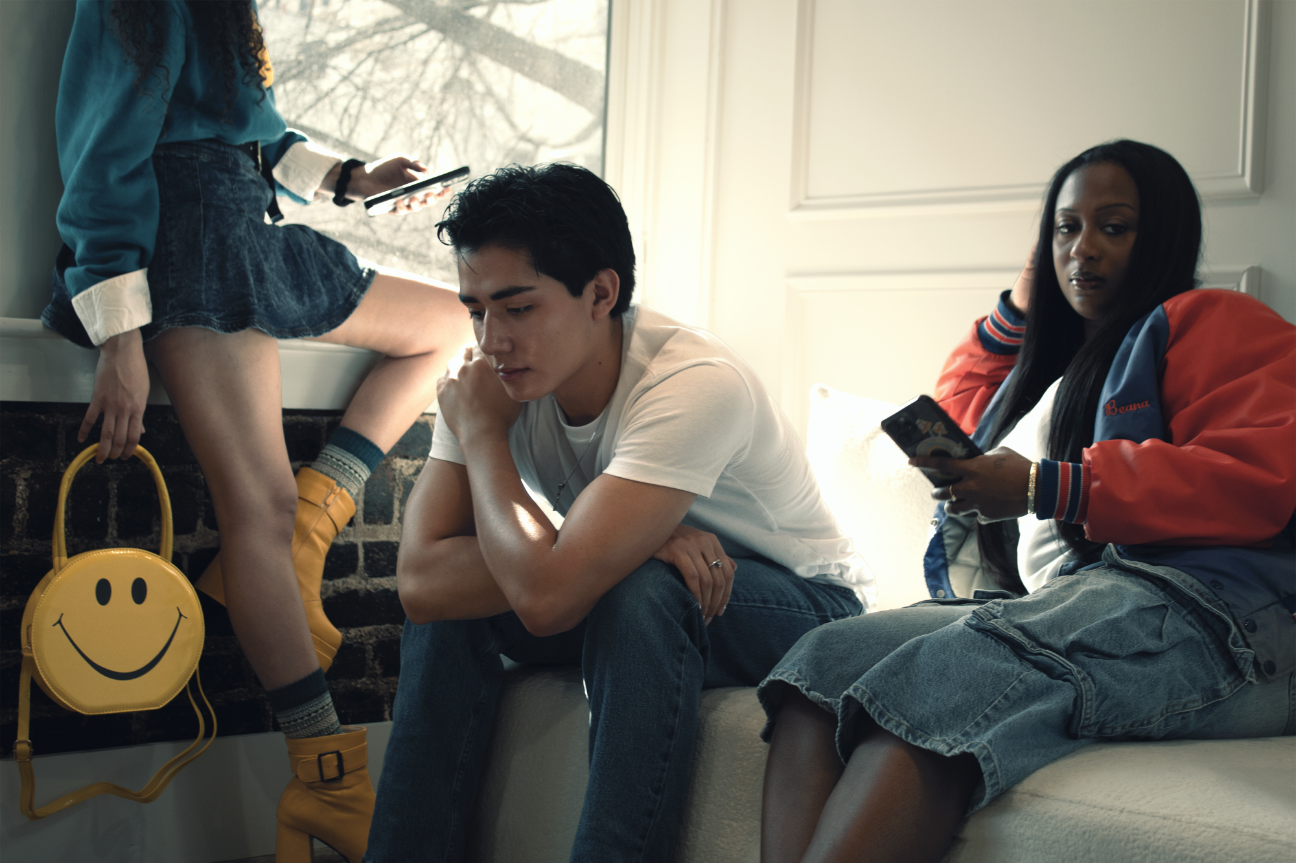
Arthouse University Campaign
Arthouse Glossary
Arthouse Lifestyle
A philosophy of creative living centered on observation, cultural literacy, and intellect.Arthouse Fashion
Clothing designed to communicate ideas, symbolism, and cultural commentary rather than mere consumerism.Creative Direction
The process of shaping visual identity, storytelling, and aesthetic language across fashion, media, and design.Cultural Observation
The practice of studying society, aesthetics, and human behavior before producing creative work.Creative Studio
An organization that develops visual strategy, storytelling, and design systems for brands, publications, and cultural institutions.
At VRTY Arthouse®, this philosophy informs both our garments and our media production. Operating at the intersection of fashion, media, and creative direction, VRTY functions as both a cultural institution and creative agency exploring how intellectual creativity can shape the future of culture.
The goal is not merely to be a cultural participant, but to be an observer, interpreter, and contributor to something meaningful in its evolution.
